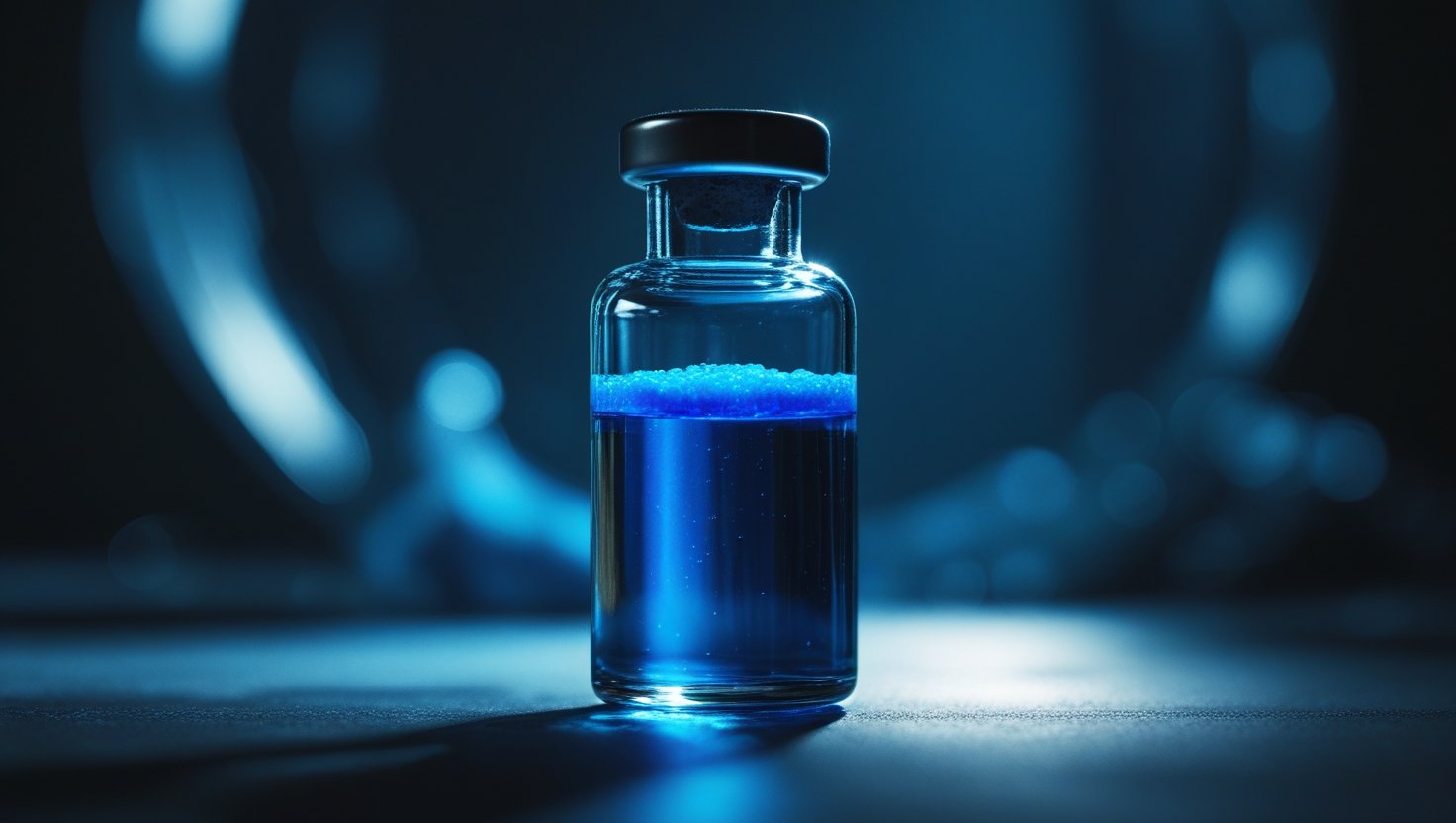
A Brief History of Methylene Blue
Originally synthesized in 1876 by German chemist Heinrich Caro, methylene blue was first introduced as a textile dye due to its vivid blue color. However, its potential went far beyond fabric.
By the late 19th century, researchers discovered that methylene blue had remarkable antimicrobial and therapeutic properties. It quickly became one of the first synthetic drugs used in medicine, treating diseases such as malaria and serving as an early antiseptic.
Fast forward to today, methylene blue is still found in modern emergency rooms, used in critical cases like carbon monoxide poisoning, cyanide poisoning, and certain blood disorders. But recent studies suggest this blue compound might offer even more surprising health benefits—especially when it comes to brain function, cellular energy, and chronic illness.
Top Health Benefits of Methylene Blue
🧠 1. Boosts Brain Function and Mental Clarity
Methylene blue has been shown to enhance cognitive performance, improve memory, and sharpen focus. It acts by improving mitochondrial function—the process by which your cells produce energy (ATP). More energy = better brain power.
Some studies suggest it may even help in neurodegenerative conditions like Alzheimer’s disease, Parkinson’s disease, and multiple sclerosis by protecting neurons and reducing oxidative damage.
💊 2. Supports Mental Health
This compound influences key neurotransmitters such as serotonin, dopamine, and norepinephrine, helping to regulate mood and emotional well-being. It’s being explored as a potential treatment for depression, anxiety, and even autism spectrum disorders.
🔬 3. Powerful Antioxidant and Mitochondrial Protector
At the cellular level, methylene blue works as a potent antioxidant. It neutralizes reactive oxygen species (ROS)—the harmful byproducts of cellular metabolism—and protects against oxidative stress, a key factor in aging and chronic diseases.
By enhancing mitochondrial function, it increases oxygen utilization and helps cells produce more energy, which is crucial for high-demand organs like the brain, heart, liver, and muscles.
🦠 4. Antimicrobial and Antiviral Properties
Methylene blue exhibits strong antibacterial, antifungal, and antiviral effects. It’s used to help treat:
- Urinary tract infections (UTIs)
- Colitis
- Herpes simplex
- Chronic infections
It also shows promise against viral infections such as COVID-19, West Nile virus, and dengue fever by inhibiting viral replication and reducing inflammation.
❤️ 5. Supports Heart, Liver, and Kidney Health
By reducing inflammation and oxidative stress, methylene blue contributes to better cardiovascular, hepatic, and renal function. It can improve blood flow, support healthy blood pressure, and protect vital organs from long-term damage.
🔬 6. Cancer Research and Tumor Suppression
Recent animal studies suggest methylene blue may slow down tumor growth by:
- Inhibiting enzymes that cancer cells need to multiply
- Boosting oxygenation of mitochondria in cancer cells
- Inducing apoptosis (programmed cell death) in malignant tissues
While more human trials are needed, the initial results are promising.
🩺 7. Helps in Chronic Fatigue and Mitochondrial Disorders
For individuals suffering from chronic fatigue syndrome, methylene blue may provide relief by enhancing energy production at the cellular level. It’s also being investigated for its role in treating mitochondrial diseases, where cells struggle to produce adequate energy.
Synergy with Infrared Light Therapy
One of the most fascinating discoveries about methylene blue is how it works in synergy with infrared light. When combined with near-infrared light therapy, the compound becomes more active in mitochondria, further boosting oxygen transfer and energy output. Some practitioners even use this combo for targeted pain relief, organ support, and inflammation control.
How to Use Methylene Blue Safely
Methylene blue is available in 1% pharmaceutical-grade solutions. Dosage typically ranges from 0.5 to 4 mg per kg of body weight, depending on the condition being treated.
⚠️ Important: Always consult a healthcare professional before using methylene blue, especially if you’re taking other medications like SSRIs or have pre-existing health conditions.
Side effects may include:
- Temporary blue or green urine
- A blue-stained tongue or lips
- Risk of serotonin syndrome in high doses or when combined with certain medications
Conclusion: A Forgotten Compound Making a Comeback
Methylene blue may have started as a textile dye, but it’s now earning recognition as a versatile and powerful health enhancer. Whether it’s used to support brain health, fight infection, or improve mitochondrial function, this simple blue molecule holds tremendous promise.
With new research emerging regularly, methylene blue might just be one of the most underrated natural therapies of our time.
